Image Source: YouTube | Mana Stars
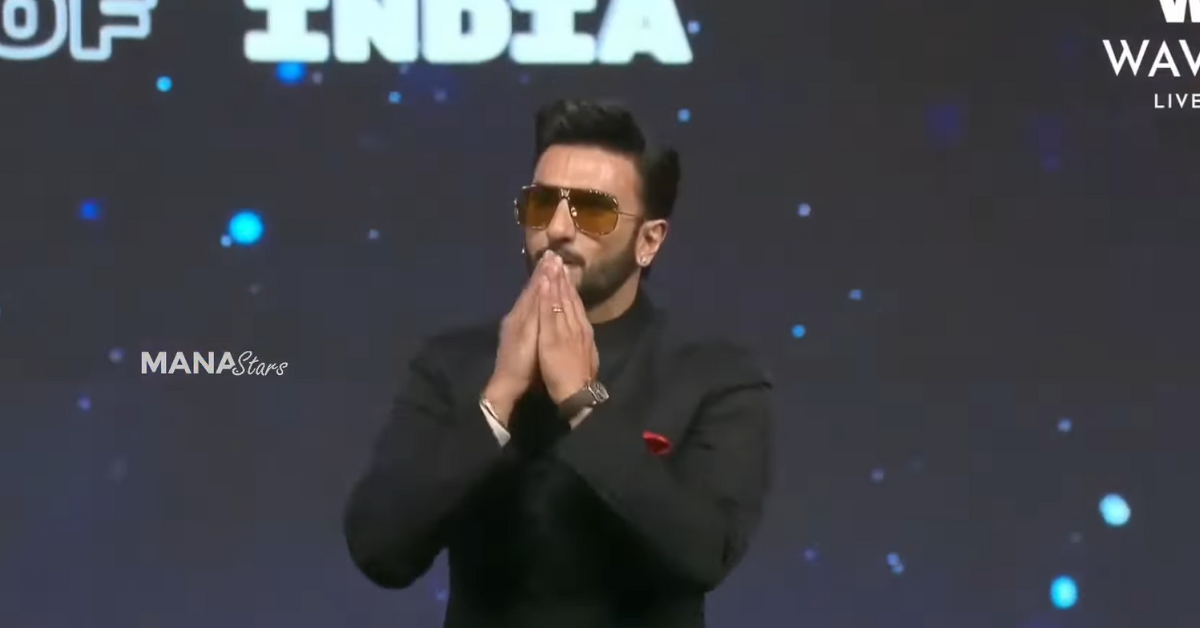
Breaking news confirms that a police complaint has been officially filed against Bollywood superstar Ranveer Singh following allegations that he disrespected the sacred Daiva (Bhoot Kola) ritual from the film Kantara. The complaint alleges that the actor mimicked the intense sequence in a “disrespectful manner” during a recent event, severely hurting the religious sentiments of the Tulu and Kannada communities.
The controversy is escalating rapidly, sparking nationwide outrage. As cultural and religious groups demand an immediate apology, the hashtag #BoycottRanveer is already starting to trend, transforming the incident into a high-stakes debate about celebrity ignorance versus cultural sanctity.

The Incident: Where Creative License Crossed the Line
The Nature of the Complaint
The police complaint, reportedly filed just an hour ago in Mumbai, focuses on the offense of deliberate and malicious acts intended to outrage religious feelings (Section 295A of the IPC). The actor’s action involved mimicking the powerful, trance-like transformation sequence of the Daiva Narthaka (ritual performer) as seen in Kantara.
The Unverified Context
While the actor has yet to issue a statement, initial reports suggest the mimicry occurred during a lighthearted, private event or was captured in a widely circulated video clip. Regardless of the intent, the public performance of this sacred ritual is the core issue that has triggered the complaint.
Cultural Context: The Sanctity of the Daiva Ritual
The Bhoot Kola: More Than Just a Performance
The intensity of the reaction stems from the profound sanctity of the Bhoot Kola (or Daivaradhane) ritual within the Tulu community of Karnataka. Unlike a typical folk dance, the performance is viewed as a spiritual practice where the performer is believed to be temporarily possessed by the Daiva (deity or protective spirit).
Performing or mimicking this spiritual trance for entertainment, humor, or as a mere theatrical act outside of its sacred context is considered a major taboo, akin to desecration. For millions, Ranveer Singh’s action trivializes a deeply revered religious tradition.
Celebrity Ignorance vs. Creative Freedom
The Fine Line for Public Figures
The incident throws a harsh spotlight on the fine line celebrities must walk when referencing sensitive cultural or religious symbols for entertainment. While artists often claim “creative freedom” or “unintentional humor,” the intense backlash underscores the need for deep cultural literacy, particularly when referencing powerful spiritual practices.
The ongoing #BoycottRanveer trend confirms that audiences are becoming increasingly sensitive and intolerant of perceived cultural insensitivity, demanding that global stars adhere to a higher standard of reverence and research.
Immediate Fallout: Legal Action and Demands for Apology
The Legal Ramifications
The police complaint forces the actor and his team into immediate crisis management. The legal action is a serious consequence, reflecting the depth of the offense felt by the communities whose beliefs were allegedly violated.
The Public Demand
The public is unified in its demand for a clear, unequivocal apology. The outrage is not targeted at the actor’s celebrity status, but at the perceived mockery of a sacred cultural symbol, placing the onus on Ranveer Singh to address the situation promptly and sincerely.
Conclusion: A Warning to the Industry
The police complaint against Ranveer Singh over the Kantara mimicry is a significant warning shot to the entire film industry. It reinforces that the cultural symbols popularized by blockbuster cinema remain sacred property, and their use for lighthearted entertainment outside of their defined religious context is a violation of faith. The outcome of this debate will serve as a crucial benchmark for how celebrities engage with regional cultural artifacts moving forward.